

Museum Garden & Park
Feel the heartbeat of history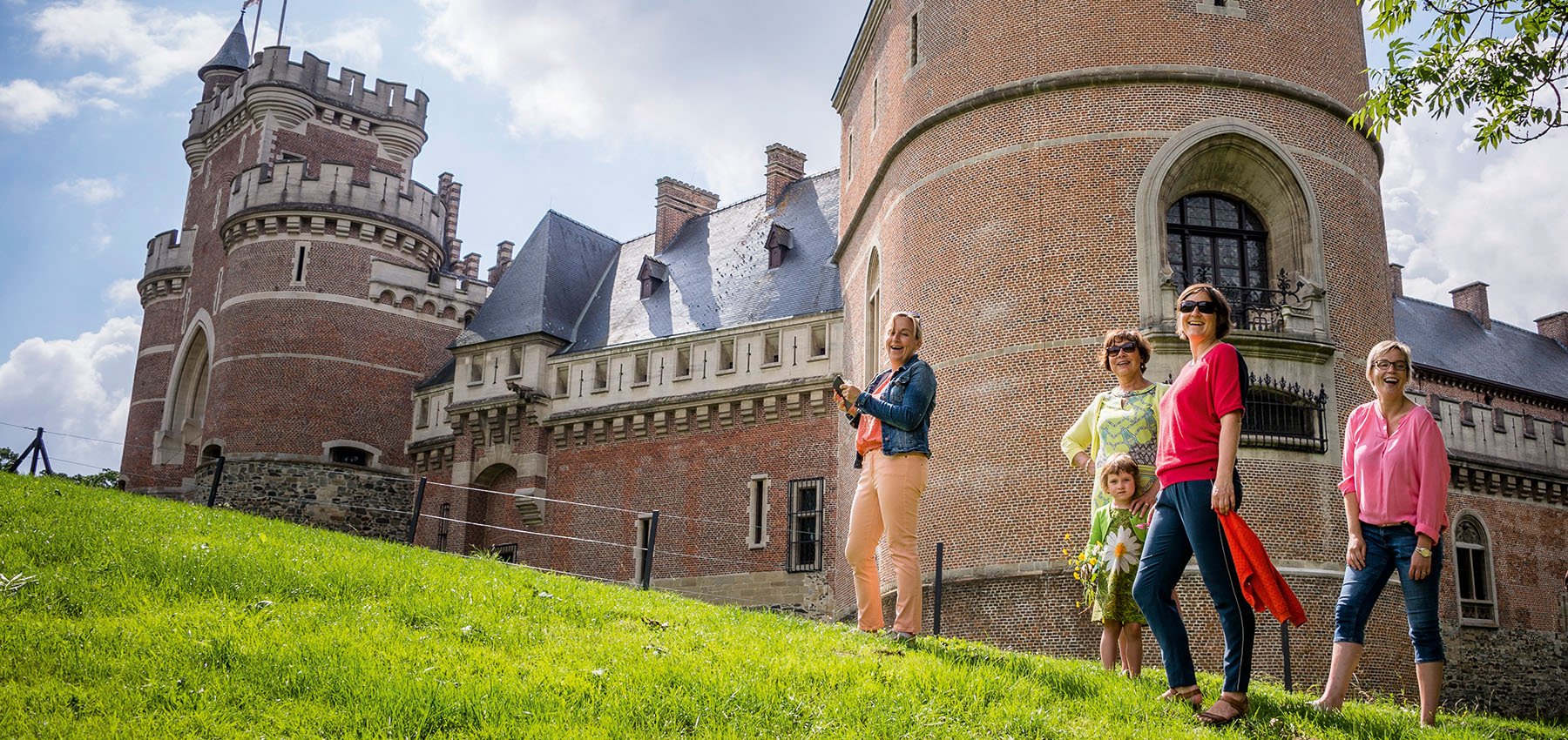
Museum Garden
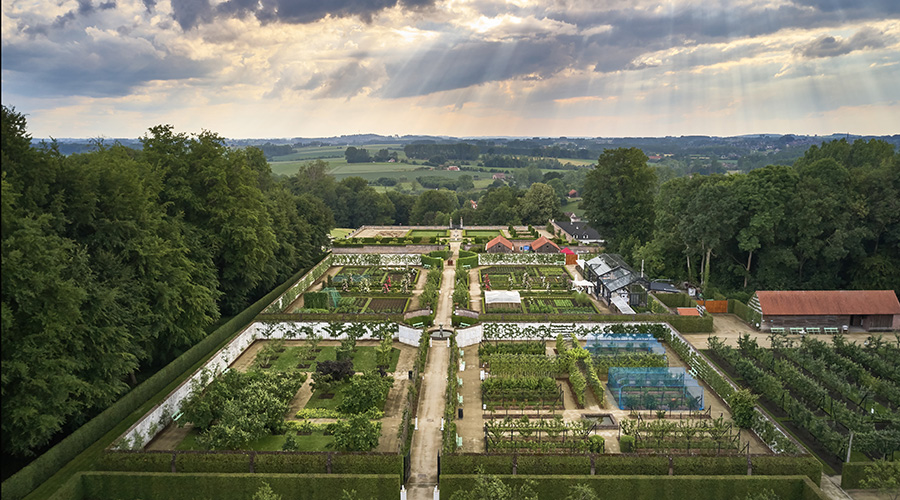
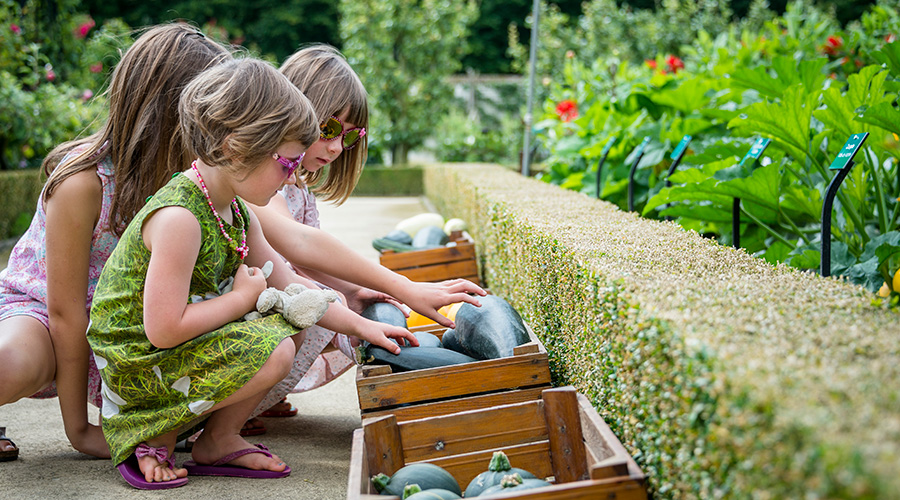
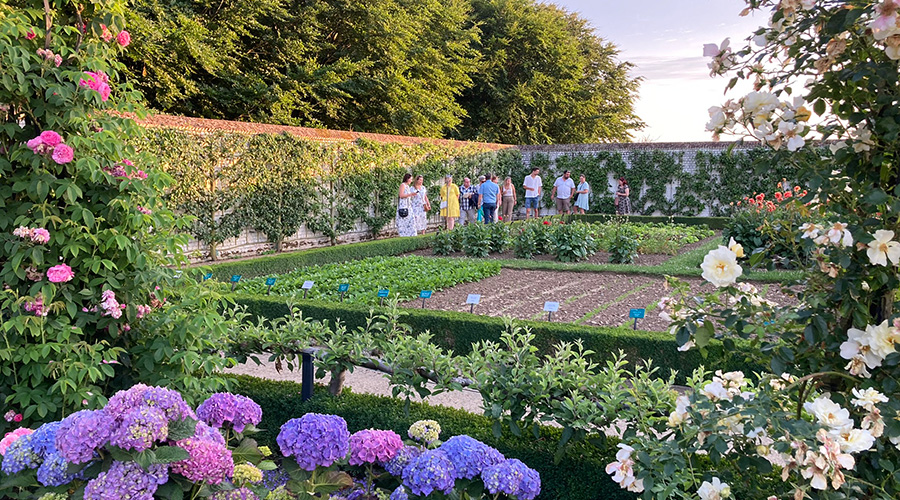
With knowledge and passion, the Agency for Nature and Forests built a top-level garden modelled on castle gardens from the 18th and 19th centuries. A strong example of living cultural heritage. Take a stroll through this magnificent Garden of Eden, with information boards to tell you more about all that beauty. You can visit the old-model fruit repository, discover the beehives and enjoy a wonderful view of Gaasbeek Castle and the Pajottenland.
During the weekend, you can participate in some free tours of the Museum Garden. There is no need to register in advance – you just need to arrive on time and purchase an admission ticket to the Museum Garden.
Discover the full Museum Garden offerings and programme here.
Questions? You can address them to museumtuin@vlaanderen.be
Park
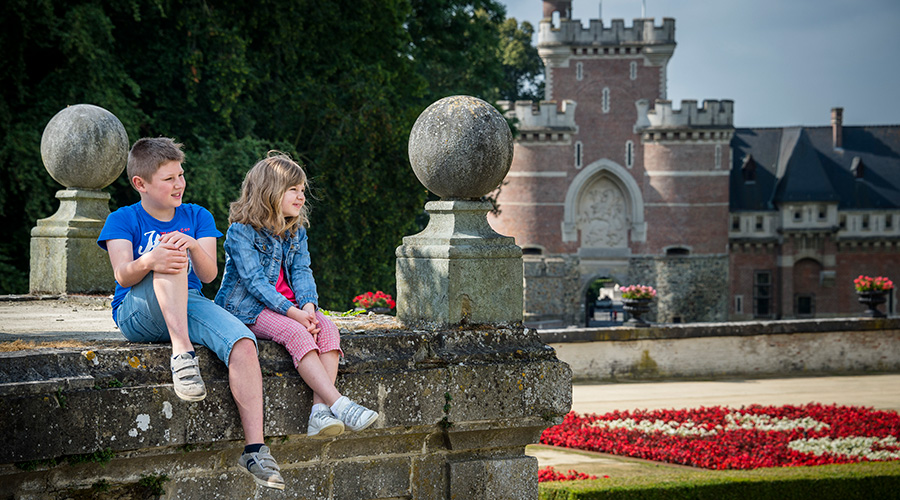
Gaasbeek Castle is located in the middle of a vast park (49 hectares) that was created as early as the seventeenth century. Impressive causeways and small hiking trails alternate. You can walk among the largest beech trees in Belgium.
During a park walk, you will discover some of the buildings historically connected to the castle: the Baroque Saint Gertrude's Chapel with an altarpiece by Gerard Seghers, the gloriette with its unique stucco ceiling, the neo-Gothic barn, the octagon, the classicist Triumphal Arch erected in honour of Napoleon and the former caretaker's house. Furthermore, the estate includes three large ponds.
In short: the perfect place to slow down and unwind!
» Practical information
The park is managed by the Agency for Nature and Forests and is open daily.
You can view or download a map of the park here.
More information: www.natuurenbos.be/kasteelparkgaasbeek or anb(a)vlaanderen.be
On the Gaasbeek estate, fishing is only allowed on the 'Krommevijver'. Anyone wishing to fish here must possess a valid fishing permit. You can apply for a fishing licence at any post office in the Flemish Region. Learn more at www.natuurenbos.be.
Please note! During stormy weather, the park will be closed. Dogs must be kept on a leash and cycling in the park is prohibited.

Historic park buildings
Gloriette
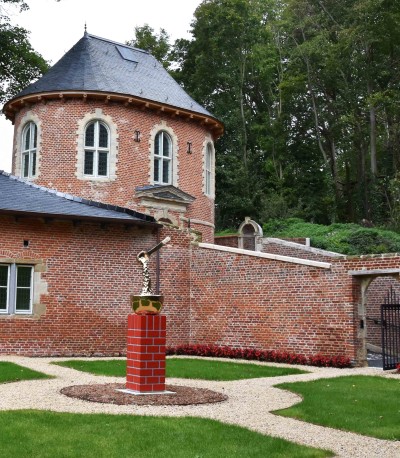
In the seventeenth century, Count René de Renesse bought Gaasbeek Castle and its surrounding park. Thanks to this controversial man, some impressive changes were carried out on the estate, which he intended to transform into a veritable Baroque park. Three witnesses to this fairytale concept remain today, including this gloriette. Taking shelter from the sun and enjoying a cup of hot chocolate? You could do so in this precarious, oval summer salon – almost a bonbonnière. Inside is a sumptuous stucco ceiling that dates from around 1620.
From April through October, open every first Sunday of the month, from 1 to 5pm.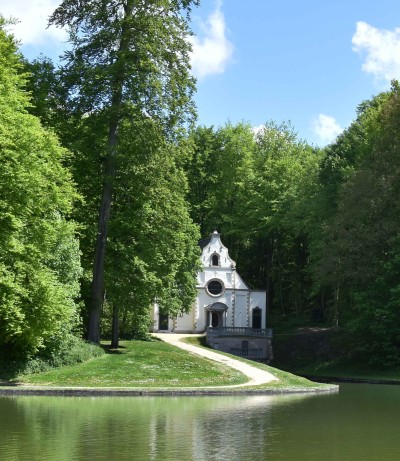
Saint Gertrude's Chapel
Around 1625, René de Renesse had this Baroque chapel erected, probably built against an older sanctuary. The year in the façade thus marks the year the then-narrow chapel was constructed. In 1628, the chapel was dedicated to Saint Gertrude of Nivelles and became a popular place of pilgrimage. At the foot of the chapel is a spring that feeds the castle ponds. Inside, a contemporary stained glass window by artist Ben Sledsens has been glittering since the restoration.
From April through October, open every first Sunday of the month, from 1 to 5pm.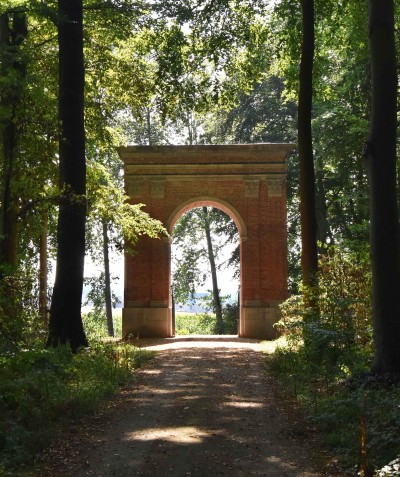
Triumphal Arch
The first stone of this monumental brick Triumphal Arch with bluestone Corinthian capitals was laid as early as 1805. Its creation was part of a grand architectural project by Paul Arconati, in tribute to none other than Napoleon Bonaparte (1769-1821). But the construction was laborious to achieve. The work was not completed until 1813, two years before the battle of Waterloo. The Triumphal Arch was most likely designed by François-Joseph Janssens (1744-1816), a Brussels neoclassical sculptor.
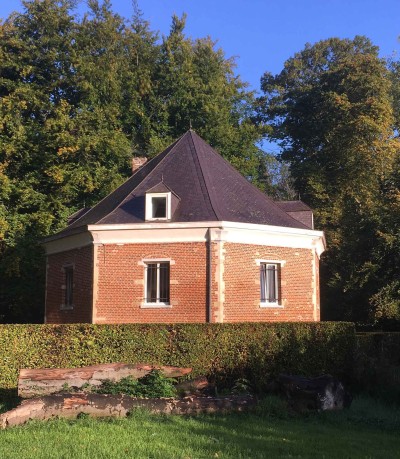
Octagon
This pavilion is quite a mystery; the castle archives contain bitterly little information about this remarkable building. A number of texts refer to it as a 'powder warehouse' or 'gunpowder house', but without any further clarification. What we do know is that marquis Paul Arconati wanted to turn this into a ballroom. At the end of the 20th century, it was furnished as a tourism office, and today, it is used as a studio space for schools and birthday parties.
The interior is not open to the public.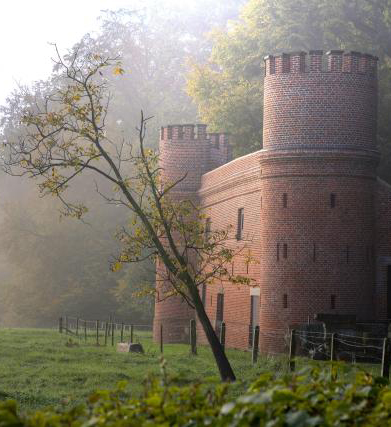
Neo-Gothic barn
This folly was commissioned by Paul Arconati in the early 19th century. That made it one of the very first examples of Gothic revival on the European continent – the latest fashion that dwelt upon all things mediaeval. As it happens, this barn is a typical example of façade architecture: behind the eccentric façade is a simple, elongated space in which garden tools and other equipment were and are stored.
The interior is not open to the public.